Planting for wildlife
Plants are absolutely crucial role in supporting wildlife, in both urban and rural areas. Choose plants that provide food, shelter and habitat for wildlife throughout the year.
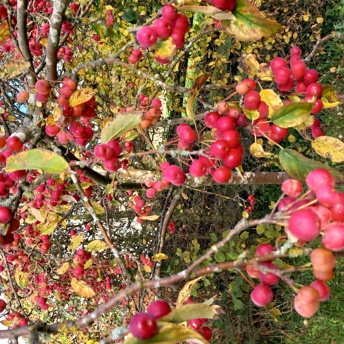
Garden trees for wildlife
Native trees provide food and shelter for wildlife, draw carbon out of the atmosphere, and provide cooling shade. The Woodland Trust provides a useful guide to native trees suitable for gardens.
Woodland Trust - native garden trees
The Conservation Volunteers provide a very useful guide to native wildlife-friendly trees, that are suitable for gardens, or parks, or school grounds, etc
Conservation Volunteers - wildlife friendly trees
The Natural History Museum offers guidance on the choice of trees and shrubs to plant for wildlife, together with some very interesting information about the role of the plants in supporting wildlife.
Natural History Museum - wildlife-friendly trees
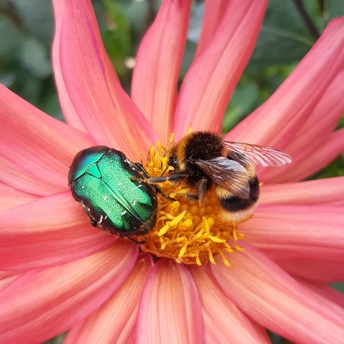
Garden flowers for wildlife
Friends of the Earth offer a helpful list of garden plants that are particularly attractive to bees:
This interactive site enables you to enter details about your garden, and then creates a plant list of pollinator-friendly flowers, and a planting pattern, to fit your garden:
Gardens typically contain both native and non-native plants. For those keen to focus on native plants, the RHS have compiled a list of native wildflowers that do well in gardens:
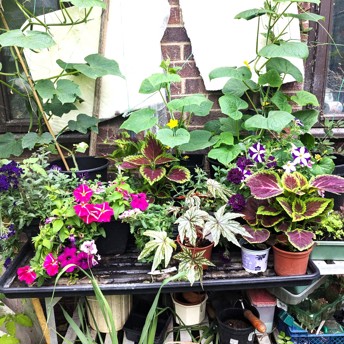
Planting for small spaces
Many people, especially those living in town and cities, have very limited space for planting. Nonetheless, there is still much that can be done to create a pleasant green space that may also improve biodiversity, or even provide food.
This site has some really creative ideas for planting in small spaces.
This site provides some interesting background on the need for urban planting.